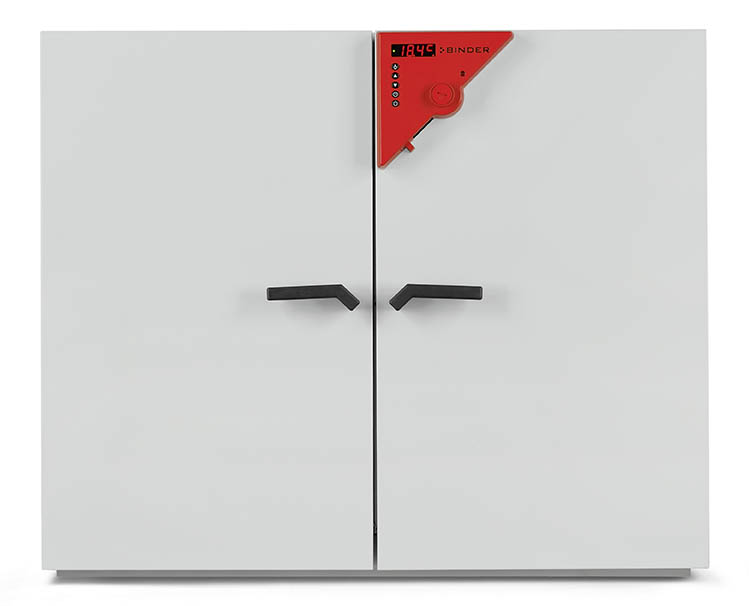
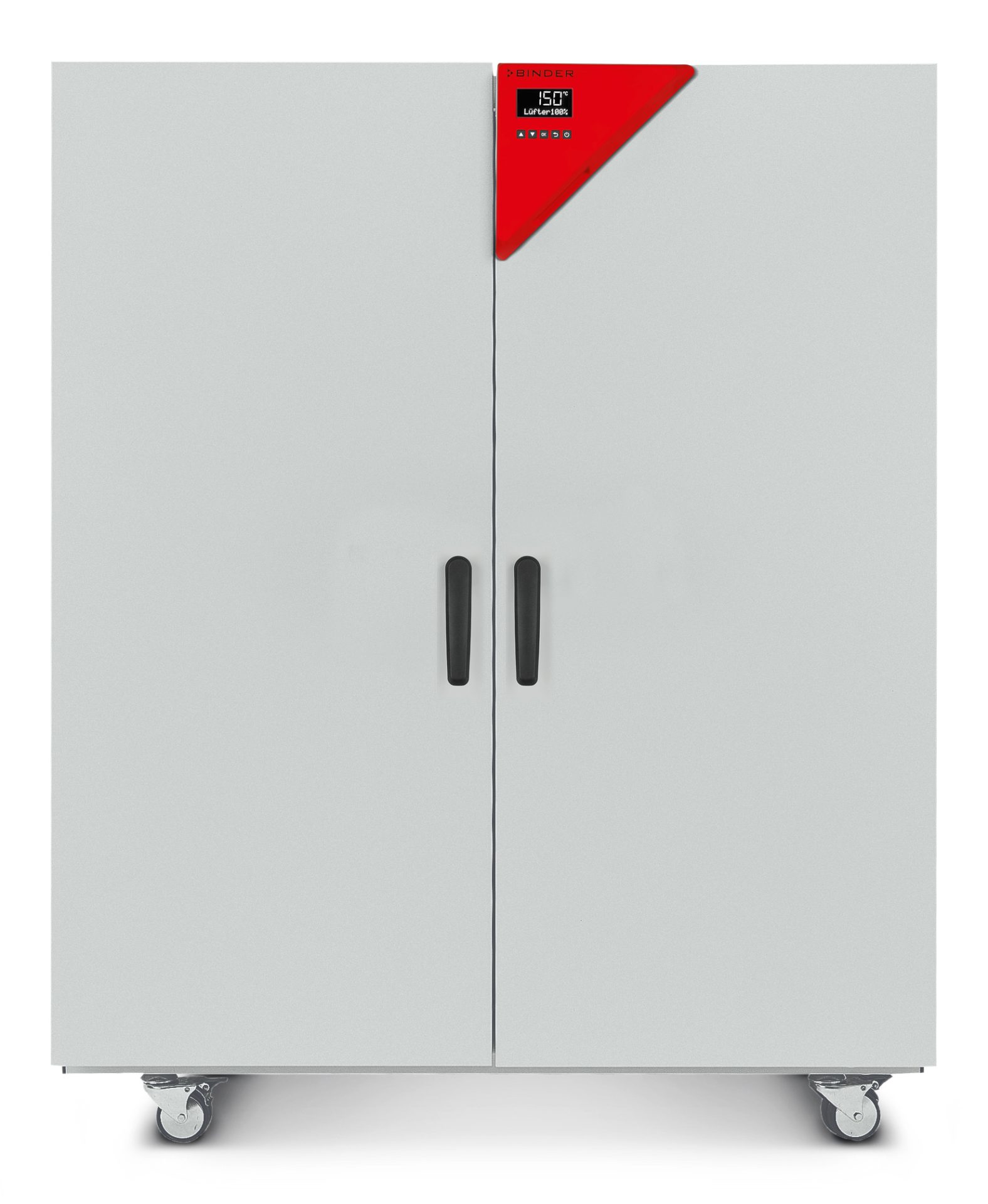
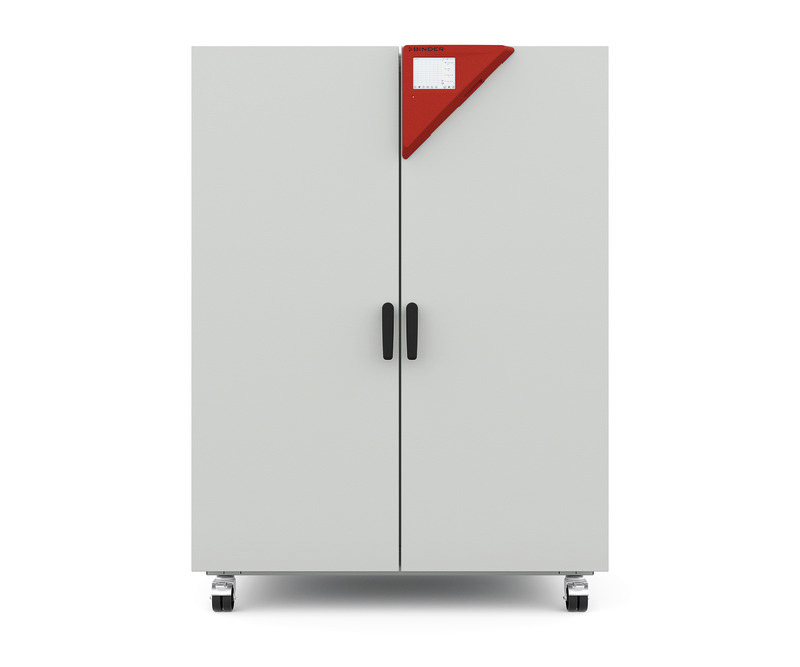
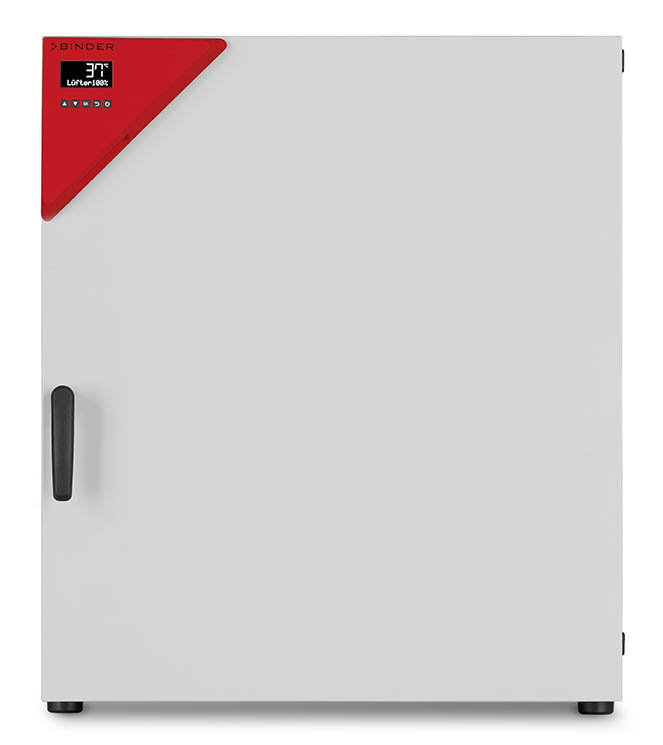
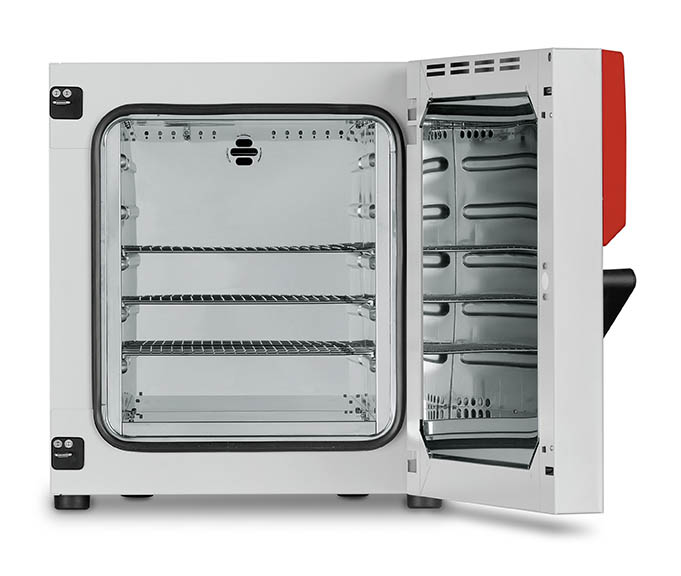
Drying and heating chambers from BINDER
Which drying and heating chamber suits your process? Compare BINDER ED, FD, FED, FP and M. KVT helps with product selection and quotations.
Compare BINDER ED, FD, FED, FP and M
| Series | Air circulation | What distinguishes the series? |
|---|---|---|
| BINDER ED 56 | Natural convection | For routine drying and heating without fan-driven air circulation. |
| BINDER FD 56 | Forced convection | Active air circulation for rapid drying and heating. |
| BINDER FED 56 | Forced convection | Adjustable fan speed and enhanced timing functions. |
| BINDER FP 56 | Forced convection | Adjustable fan speed and functions for programmed temperature profiles. |
| BINDER M 56 | Forced convection | A reinforced fan, increased heating output and advanced programming for materials and ageing tests. |
The manufacturer's product information is in English and opens in a new tab. Functions, dimensions and temperature limits are checked for the model and configuration quoted.
Natural or forced convection?
ED uses natural air circulation. FD, FED, FP and M have fan-driven circulation. The choice depends on how the material should be exposed to airflow, how the load is arranged and how quickly the process needs to be completed. Tell us whether the samples are sensitive to airflow or the load includes large, closely spaced objects.
FED may be appropriate when you need adjustable fan speed and additional timing functions. If the process includes several temperature stages, compare FP and M. Specify the required stages, dwell times and documentation before selecting a model.
Temperature limits depend on room temperature
These series include models for temperatures up to 300 °C. However, the minimum operating temperature is specified as a number of degrees above ambient temperature. For example, ED 56 is specified from room temperature +5 °C, FD/FED/FP 56 from +10 °C and M 56 from +23 °C. Other sizes may have different limits.
Please therefore provide both the required process temperature and the approximate room temperature. The chamber's set air temperature is not the same as the temperature inside a sample; the material's properties and quantity affect the heating process.
Suitability depends on the material and process
Describe the material's composition, moisture, any solvents and what may be released during heating. A standard drying chamber is not automatically suitable for every substance or process. For particular requirements, vacuum drying chambers or safety drying chambers may be worth considering. Suitability needs to be assessed for the specific material and configuration.
Information for product selection and a quotation
- Material, application and required temperature profile.
- Sample dimensions, quantity, weight and arrangement, plus the number of shelves.
- Requirements for fan control, programming, data logging and access ports.
- Available space, electrical connection, delivery route and installation location.
If you need other heating equipment, see our page on heating chambers. For testing with controlled temperature and relative humidity, see climatic cabinets and climate chambers.
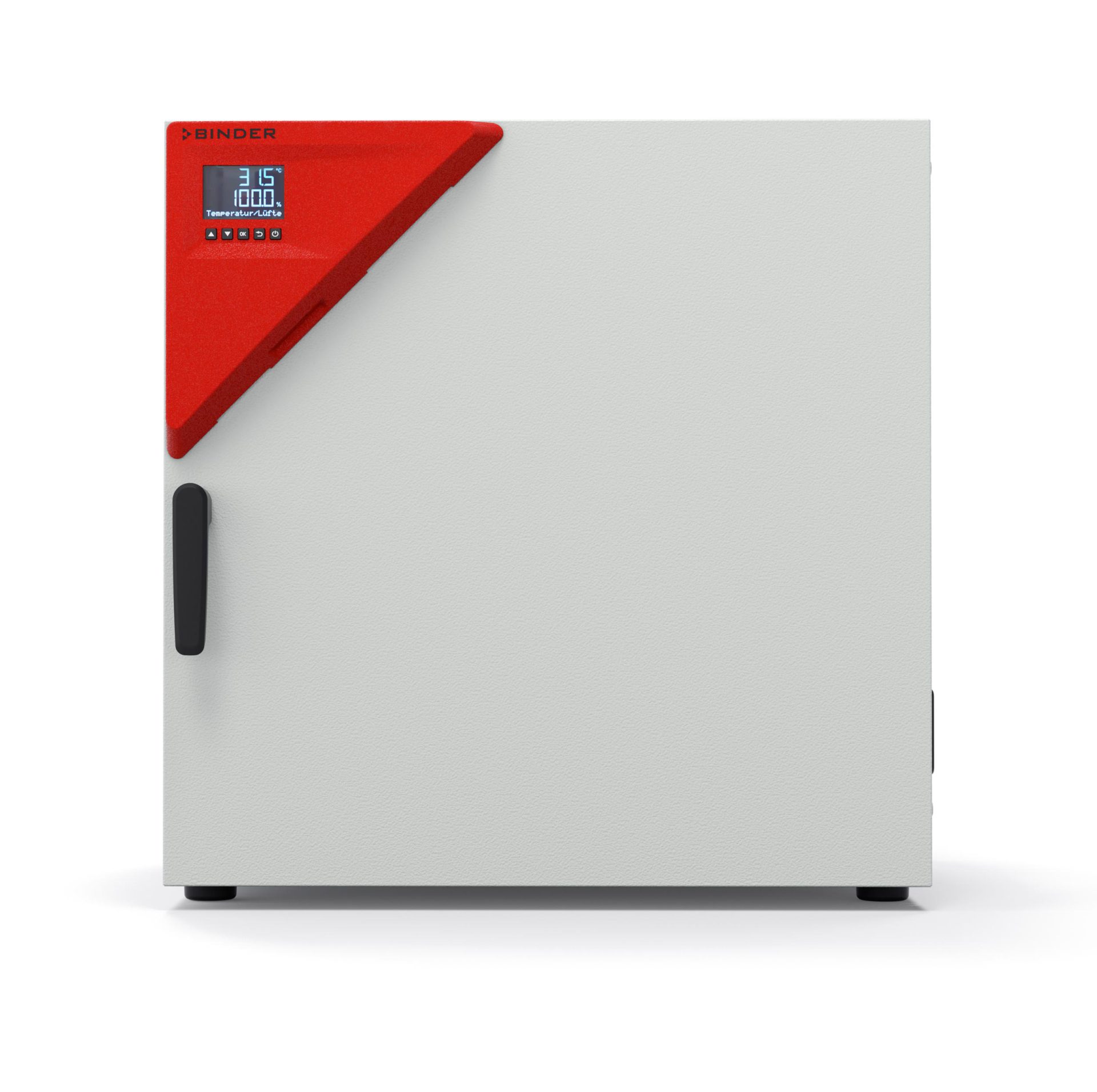
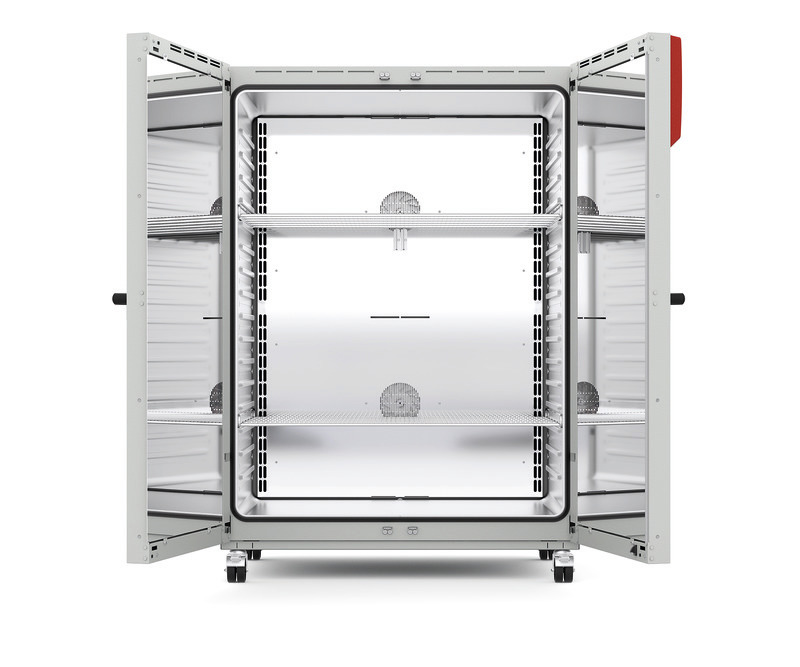
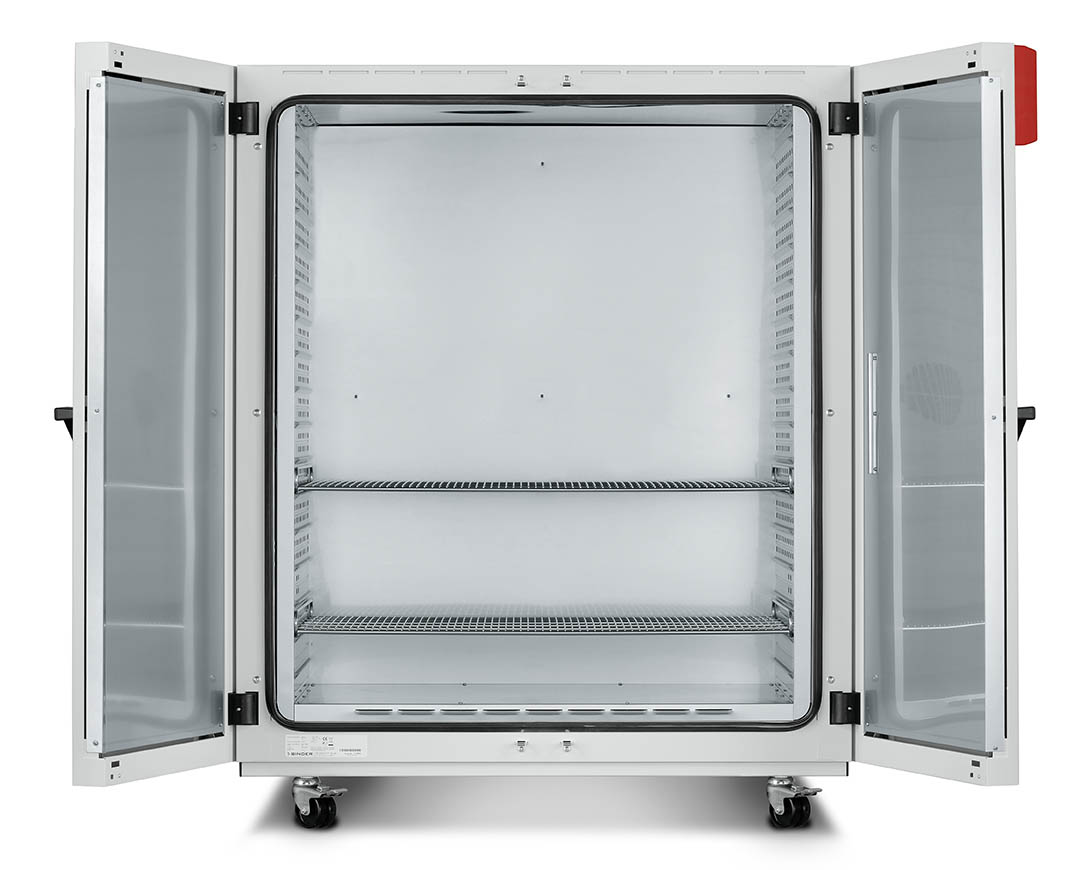
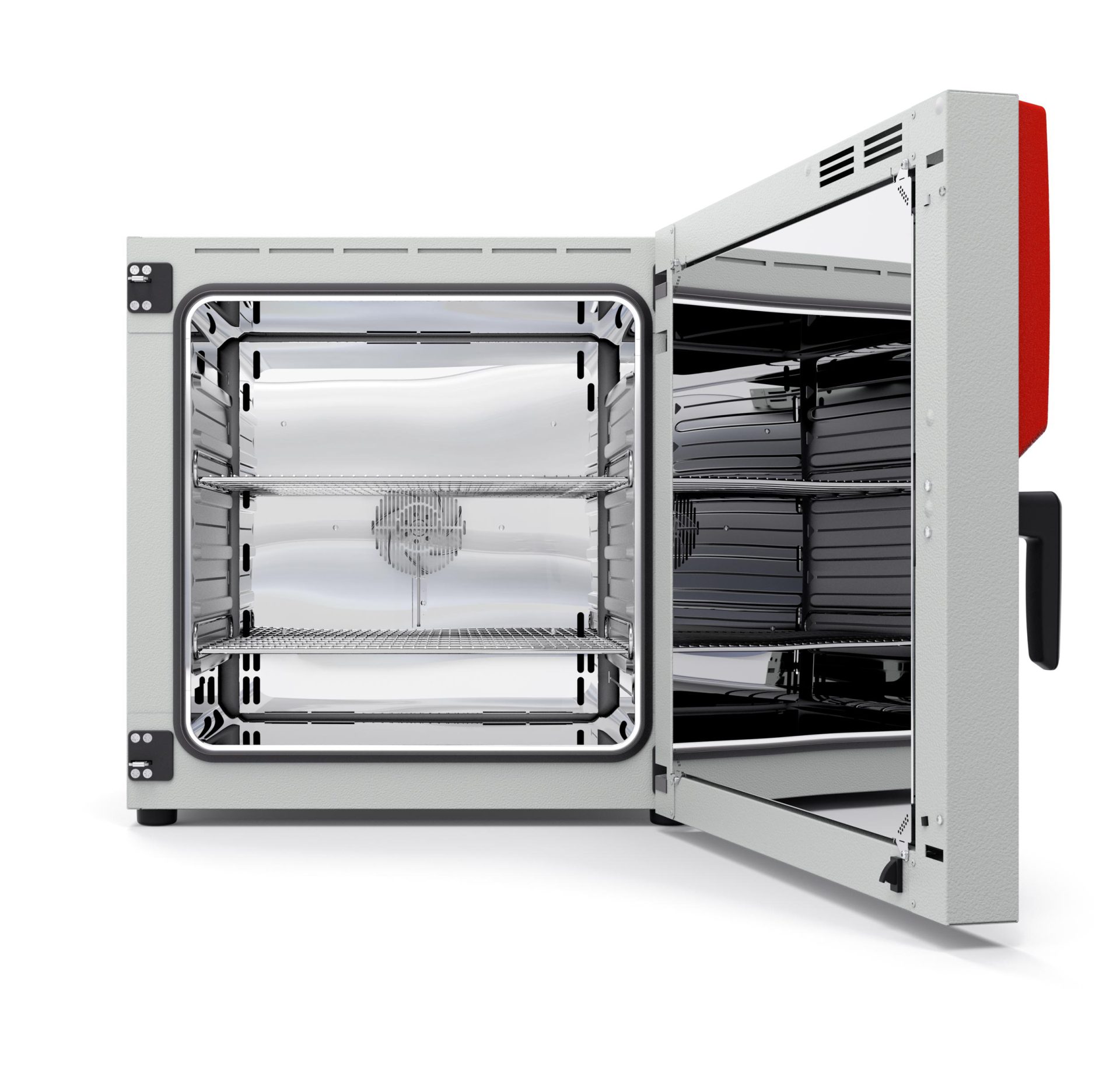
The gallery shows BINDER chambers in various configurations, including incubators. For drying and heating, refer to the model series in the table above. The model and accessories are specified in the product proposal.